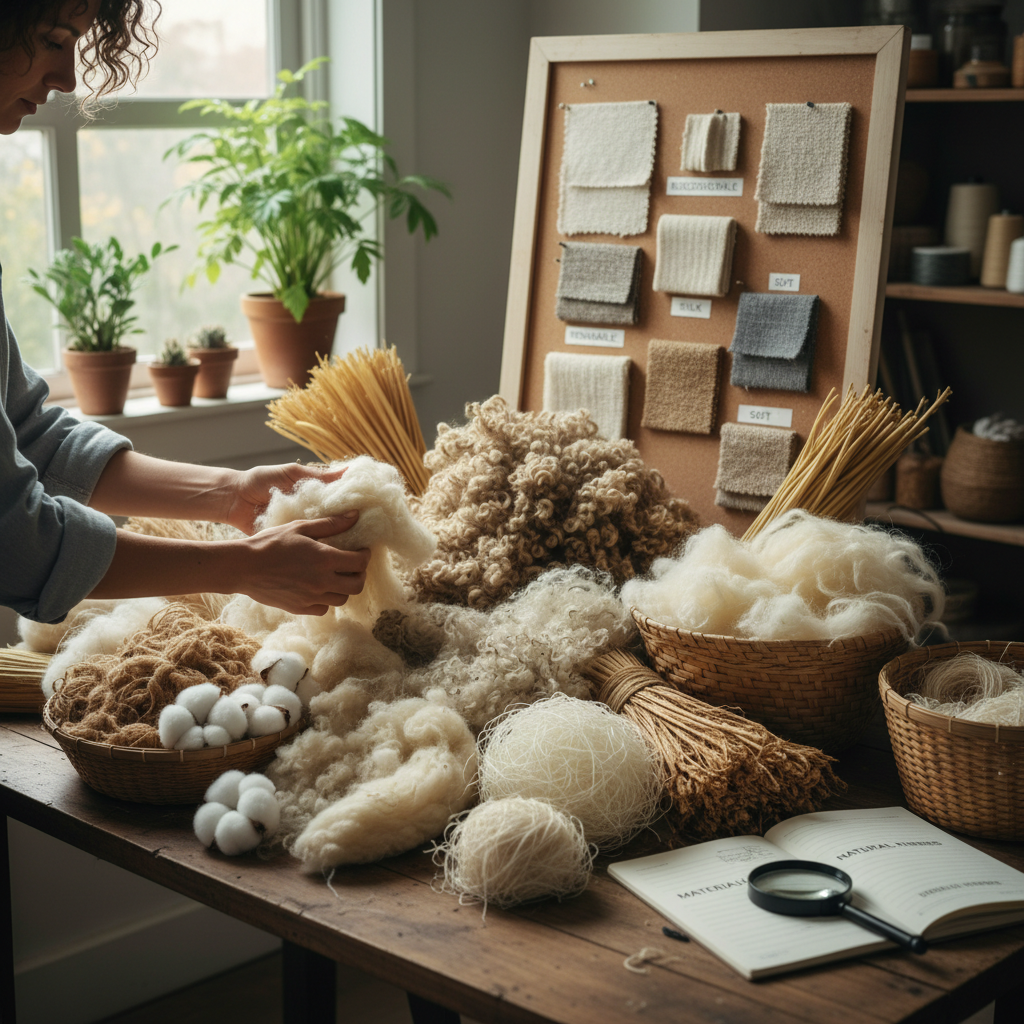
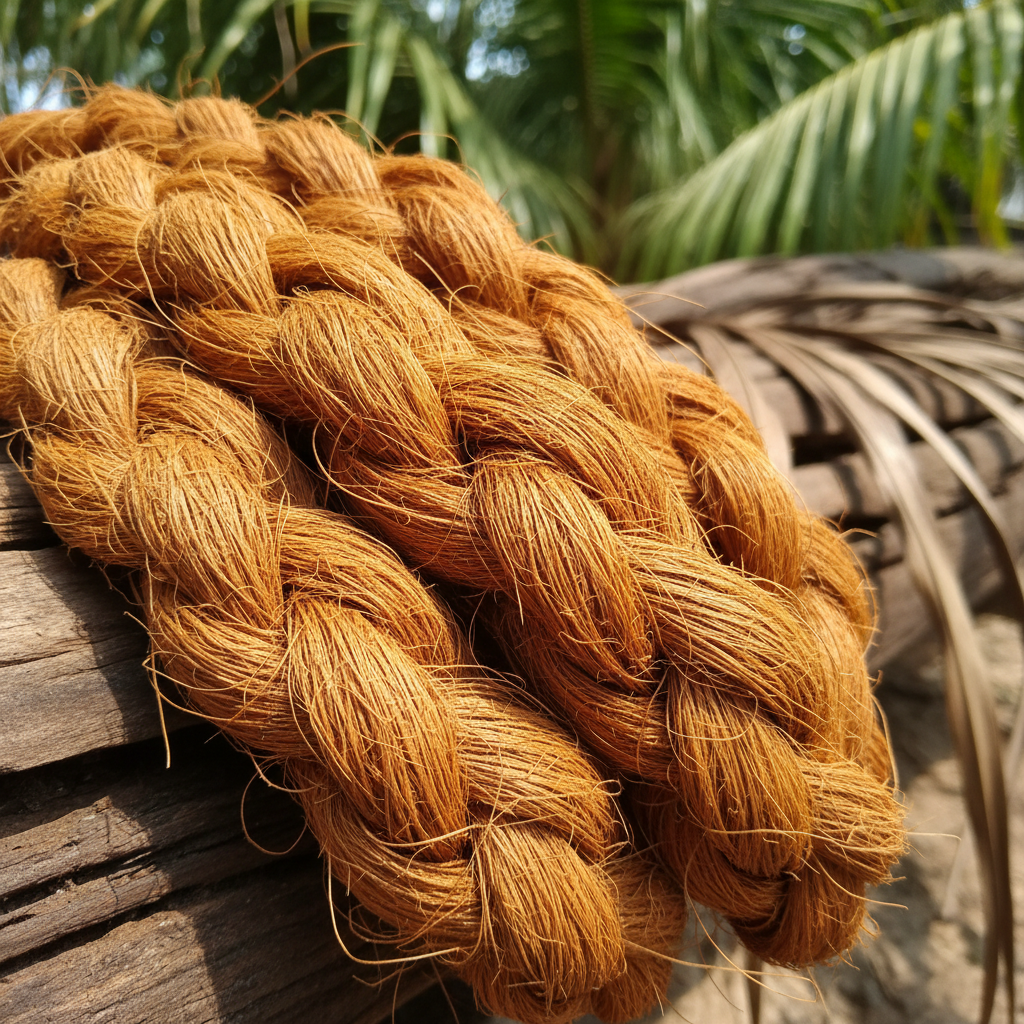
Coir: The Forgotten Fibre That Outperforms Memory Foam
Coconut husk coir has been used in Ayurvedic sleep traditions for centuries. Here's why it's making a comeback in high-end mattresses — and what to look for when buying.
Guides on natural materials, sleep science, and building a home that's as healthy as it is beautiful.

Tapped from rubber trees in Sri Lanka and Malaysia, natural latex offers a rare combination of pressure relief, breathability, and 20+ year durability — without a single synthetic additive.

Coconut husk coir has been used in Ayurvedic sleep traditions for centuries. Here's why it's making a comeback in high-end mattresses — and what to look for when buying.

Your core body temperature drops 1–2°C during deep sleep. Synthetic foams trap heat and disrupt this cycle. Natural fibres — wool, cotton, latex — work with your biology, not against it.

Sustainable doesn't mean sparse. From organic wool toppers to hand-woven jute rugs, this room-by-room guide shows how to create a bedroom that's both beautiful and genuinely non-toxic.

Both are natural, both are breathable — but they behave very differently across seasons. We break down moisture-wicking rates, temperature ranges, and who each topper is best suited for.

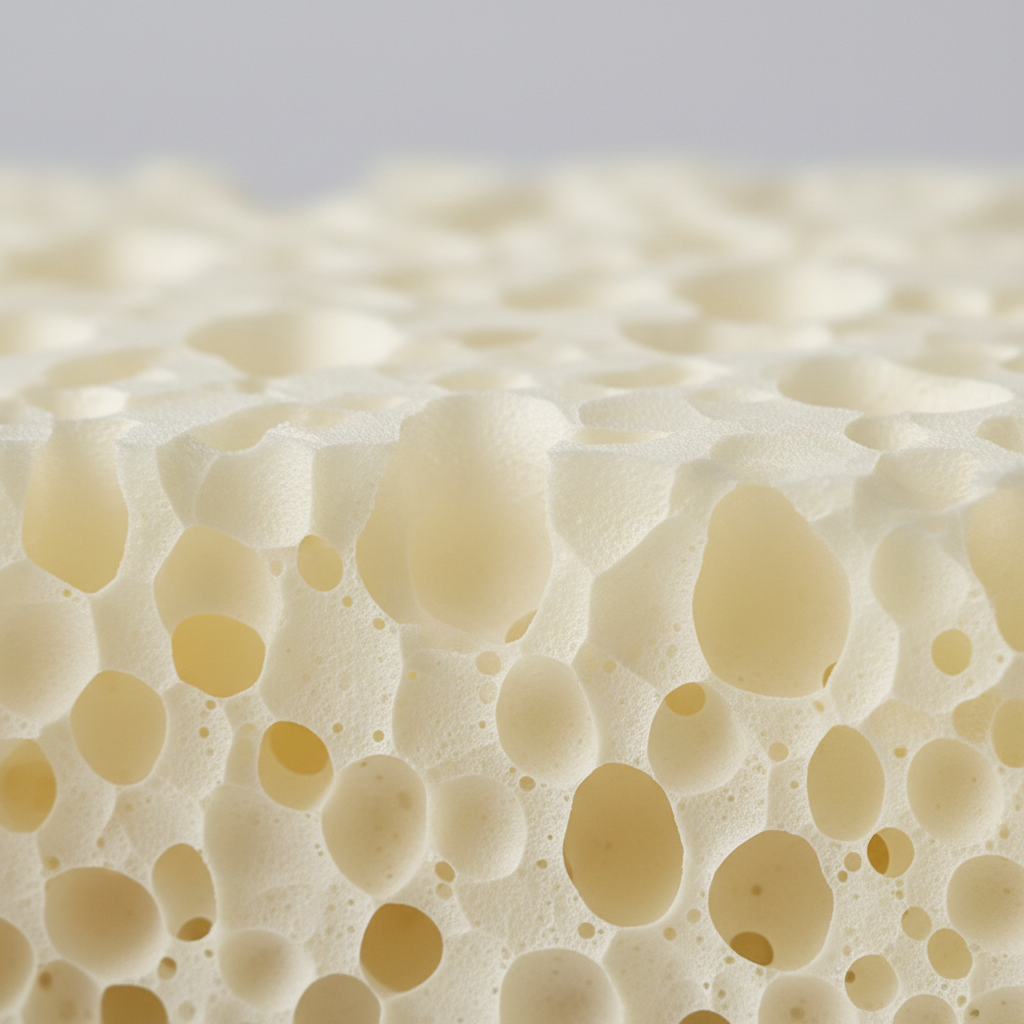
Most foam mattresses off-gas VOCs for months after purchase. We explain what to look for on labels, which certifications actually matter, and how plant-based construction eliminates the problem entirely.
Light gets most of the attention, but your sleep surface plays an equally important role in circadian alignment. Natural fibres that regulate temperature help your body transition through sleep stages correctly.

The organic mattress space is full of greenwashing. This plain-language guide explains what each certification tests for, who issues them, and which ones you should insist on before buying.
New material guides and sleep science articles, delivered monthly. No spam — just substance.